Beyond the Drawing Board: How One Architect Rocked His Practice with Hospitality
This post summarizes a podcast episode featuring architect Paul Southouse, founder of Paul Southouse Architects (PSA) and the hospitality brand, Linrace. It explores the unexpected intersection of architecture and hospitality and the valuable lessons learned along the way.
The Genesis of Linrace:
Paul’s decision to open not one, but two bars stemmed from a desire to revitalize Oxford’s city center post-pandemic. He envisioned vibrant, community-driven spaces offering a unique experience. Linrace Spirit, a stylish cocktail bar, and Poina, specializing in wine and charcuterie, were born.
Key Takeaways for Architects:
Embrace Specialization: Just as the bars have distinct identities, architects benefit from clearly defining their niche and services. This attracts the right clients and facilitates targeted marketing.
Itemize and Value Your Services: Inspired by the transparent pricing of a bar menu, PSA now meticulously records project activities and provides detailed fee breakdowns. This eliminates ambiguity and ensures proper compensation for every task.
Delegate to Elevate: Realizing he couldn’t be both owner and bartender, Paul assembled a skilled team, emphasizing the importance of delegation. Architects, too, can benefit from leveraging expertise in areas like project management and marketing, allowing them to focus on design.
Parallels Between Businesses:
Customer Experience: Both industries thrive on creating exceptional experiences. Linrace cultivates ambiance, service, and curated offerings, while PSA focuses on crafting bespoke designs and exceeding client expectations.
Process-Driven Success: Both businesses rely on clearly defined processes for everything from ordering supplies to producing drawings. Understanding and optimizing these workflows is crucial for profitability and efficiency.
Questions for Architects to Consider:
How can you create a more transparent and client-friendly fee structure?
Are you leveraging your time effectively, or are you bogged down by tasks better suited for others?
What unique skills and experiences can you bring to your practice beyond traditional architectural services?
Beyond the obvious parallels, Paul’s story highlights the power of embracing new ventures and applying lessons learned across disciplines. It encourages architects to think outside the box, refine their business practices, and create a lasting impact within their communities.
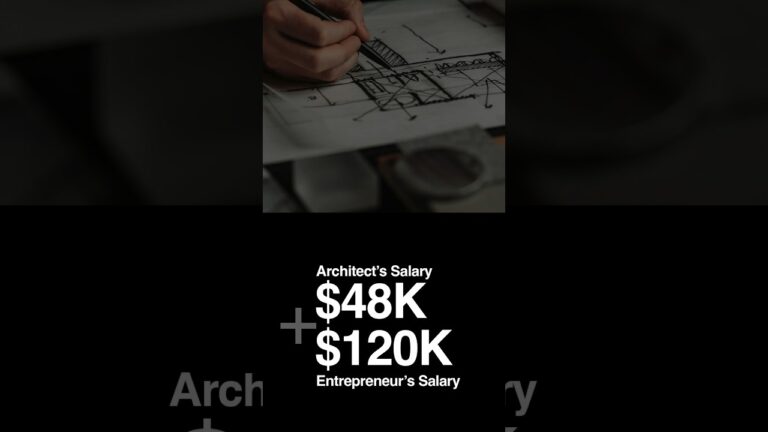
Beyond the Drawing Board: How One Architect Rocked His Practice with Hospitality
This post summarizes a podcast episode featuring architect Paul Southouse, founder of Paul Southouse Architects (PSA) and the hospitality brand, Linrace. It explores the unexpected intersection of architecture and hospitality and the valuable lessons learned along the way.
The Genesis of Linrace:
Paul’s decision to open not one, but two bars stemmed from a desire to revitalize Oxford’s city center post-pandemic. He envisioned vibrant, community-driven spaces offering a unique experience. Linrace Spirit, a stylish cocktail bar, and Poina, specializing in wine and charcuterie, were born.
Key Takeaways for Architects:
Embrace Specialization: Just as the bars have distinct identities, architects benefit from clearly defining their niche and services. This attracts the right clients and facilitates targeted marketing.
Itemize and Value Your Services: Inspired by the transparent pricing of a bar menu, PSA now meticulously records project activities and provides detailed fee breakdowns. This eliminates ambiguity and ensures proper compensation for every task.
Delegate to Elevate: Realizing he couldn’t be both owner and bartender, Paul assembled a skilled team, emphasizing the importance of delegation. Architects, too, can benefit from leveraging expertise in areas like project management and marketing, allowing them to focus on design.
Parallels Between Businesses:
Customer Experience: Both industries thrive on creating exceptional experiences. Linrace cultivates ambiance, service, and curated offerings, while PSA focuses on crafting bespoke designs and exceeding client expectations.
Process-Driven Success: Both businesses rely on clearly defined processes for everything from ordering supplies to producing drawings. Understanding and optimizing these workflows is crucial for profitability and efficiency.
Questions for Architects to Consider:
How can you create a more transparent and client-friendly fee structure?
Are you leveraging your time effectively, or are you bogged down by tasks better suited for others?
What unique skills and experiences can you bring to your practice beyond traditional architectural services?
Beyond the obvious parallels, Paul’s story highlights the power of embracing new ventures and applying lessons learned across disciplines. It encourages architects to think outside the box, refine their business practices, and create a lasting impact within their communities.